National Hunt Betting Strategy
 Available in US

The thing that hooked me on National Hunt racing wasn’t a winner. It was a horse called something I’ve forgotten — a stout-staying chaser running in heavy ground at Newbury — that jumped its way patiently around two and a half miles, made up six lengths between the last two fences, and got mugged on the line by a horse that had been ridden for stamina from a furlong out. The losing horse was the better animal. The winning horse had a better game plan. That’s the National Hunt code in microcosm.
Jumps racing is a stamina sport with a technical component bolted on. The horses are bigger, the races are longer, the ground is heavier, and the obstacles add a layer of risk that flat racing doesn’t have. Punters who approach National Hunt with a flat-racing toolkit — speed ratings, pace bias, draw — find themselves baffled by why their selections keep falling at the third-last or staying on too late. The code rewards a different kind of analysis, and getting comfortable with that difference is the whole game.
Analysis of Hurdles, Chases, and Bumpers
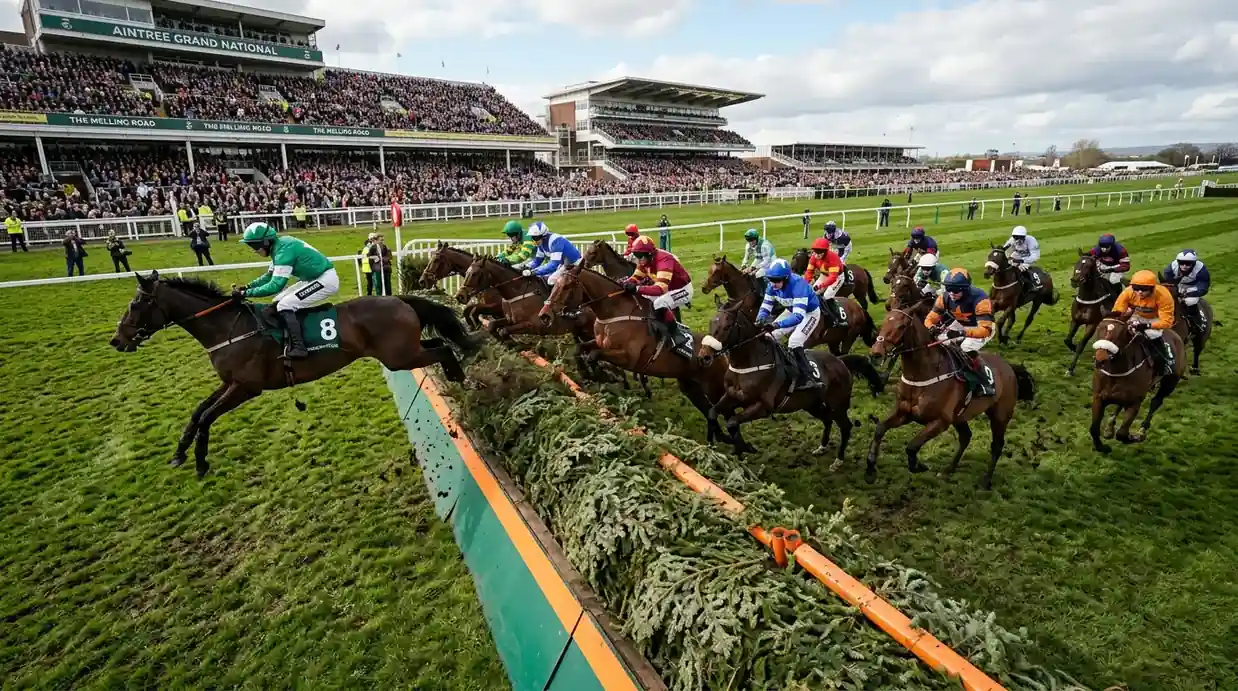
The National Hunt code has three main race types and you need to know them apart before any analysis makes sense. Bumpers are flat races for jumpers — National Hunt flat races, formally — run over two miles and used to introduce young horses to racecourse experience before they tackle obstacles. Hurdles are the smaller, more forgiving obstacles, about three-and-a-half feet high, and hurdle races serve as the apprenticeship phase for most jumpers. Chases use the bigger, stiffer steeplechase fences, often four-and-a-half feet high, and represent the senior end of the code.
A horse typically progresses bumpers to hurdles to chases over a few seasons, learning the craft of each before being asked to handle the next. The form across these categories doesn’t transfer cleanly. A bumper winner might or might not jump well over hurdles. A novice hurdler showing brilliant form might find chase fences a different proposition entirely. The transition years are where some of the most volatile pricing happens, because the market is genuinely uncertain about how a horse will adapt.
The most common mistake casual punters make is treating bumper form as predictive of hurdle form, or hurdle form as predictive of chase form. The data tells a different story. Plenty of brilliant flat-bred bumper horses turn out to be modest hurdlers. Plenty of solid hurdlers struggle with the bigger fences. The best chasers are often horses who were unremarkable over hurdles but who came alive when the trip and the obstacles increased.
For deeper analysis of how form figures actually read across these codes, the racecard mechanics carry over from flat racing but the interpretation shifts substantially.
Winter ground and what it really does
Ground is the dominant variable in jumps racing in a way that flat punters never fully appreciate. The National Hunt season runs through autumn and winter into early spring, which means the ground at most fixtures is soft, heavy, or somewhere in between. A handful of horses thrive on these conditions. Many more cannot show their form on them.
Heavy ground does three things. It slows the race overall, which favours stamina over speed. It tires horses unevenly, exposing those with limited reserves of fitness or those carrying extra weight relative to the field. And it makes jumping harder, because horses landing on soft ground after each obstacle take an extra stride to recover and lose efficiency over a full race. The combination of these three effects produces results that pure form analysis often misses.
The horses to back on heavy ground are stout, often unflashy stayers with histories of running in similar conditions. The horses to oppose are flashy, talented animals whose best form was on better ground or whose stamina is suspect. Heavy ground is the great equaliser of National Hunt racing. Class can be erased on a wet January afternoon, and big-name favourites lose with depressing regularity to honest hard-working types who simply handle the conditions.
The going changes can be dramatic. Overnight rain in November can turn good ground to heavy by the first race, and the entire shape of the card changes accordingly. Trainers regularly withdraw fancied horses when the going moves against them, which sometimes creates last-minute value among the remaining runners. Reading the going report on race morning is a non-negotiable habit. For more on the underlying mechanics of going and how it affects results, see my article on going and ground conditions.
Stamina and trip analysis
Stamina in jumps racing is partly bred, partly trained, and partly the result of how a horse is ridden in any given race. A horse can have the pedigree of a stayer but be ridden too aggressively early; another can be modestly bred but ridden patiently and finish strongly. The trainer-jockey combination matters here more than in flat racing, because the way a jumps race is ridden often determines whether a horse’s stamina becomes the deciding factor at all.
The trip — the distance of the race — is the other half of stamina analysis. Horses have optimum trips, and the gap between, say, two miles and two and a half miles can be the difference between a winning performance and an obvious loser. A horse stepping up in trip from a two-mile hurdle to a two-and-a-half-mile event has different demands placed on it, and recent form at the shorter distance doesn’t automatically translate.
The signal to watch is how a horse finished its previous race. A horse that won going clear at the line over two miles is probably suited to staying further. A horse that just got home over two miles has likely reached or exceeded its optimum. Form lines look identical on the racecard — both are “winners” — but the implications for a longer trip are opposite.
For the longest staying tests — three miles and beyond — proven stamina is the single most important factor. The Cheltenham Gold Cup over three miles two and a half furlongs, the Stayers’ Hurdle over three miles, the major staying chases at Aintree and Sandown all reward horses who can run a true gallop the full distance. A horse without proven stamina at the trip is a speculative bet regardless of form at shorter distances.
The major jumps festivals
The National Hunt calendar revolves around a handful of major festivals. Cheltenham in March, the four-day showpiece of the jumps season, sets prices and form for everything else. The Grand National at Aintree in April crowns the staying chase season. Smaller-but-significant festivals at Aintree, Sandown, Punchestown and elsewhere fill in the calendar. Within the wider UK racing programme of more than ten thousand races a year across 362 days, the jumps share is concentrated in autumn and winter — and Cheltenham Festival 2026 generated record turnover on UK betting sites according to industry estimates, with bet365 alone reportedly paying out more than £50 million in BOG bonuses during festival week.
The festivals matter for punters because they concentrate the season’s best form into compact periods, attract huge betting interest, and produce some of the deepest markets of the year. They also tighten prices materially. Favourites at Cheltenham are scrutinised by every serious punter in the country, and meaningful overlays on heavily fancied runners are rare. The value at the festivals tends to live in the second and third strings — horses whose obvious shortcomings are well-known but whose price has drifted further than the form justifies.
Outside the festivals, the autumn and early-winter handicaps at Cheltenham, the Welsh National at Chepstow, the Coral Gold Cup, and various festival trial races provide the rhythm of the season. The handicap programme is huge, and many of the most reliable angles in jumps betting come from large-field staying handicaps where the market underprices proven stamina and overprices recent form.
Festival pricing differs in another way too. The market for festival races opens months out, runs as ante-post, and only finalises in the days before each race. Smart punters use that long window to position themselves at longer prices for horses whose participation looks secure, accepting the running risk in exchange for the price gap.
What casual punters get wrong about jumps
The first mistake is undervaluing experience. Young, talented jumpers regularly disappoint at the highest level because the technical demands of jumping cleanly under pressure are hard, and the older, more experienced horses cope with race-day stress better. A horse who’s been around the block — even with apparently inferior raw ability — is often the safer bet at a tough festival venue than a sparkly young hopeful with limited race miles.
The second mistake is overweighting flashy performances on good ground. A horse that’s looked brilliant on the all-weather or on early-autumn good ground might be a different animal when the winter ground comes in. Form must always be filtered through the ground question, and form that was built on ground a horse won’t see again is form that can mislead.
The third mistake is ignoring jumping efficiency. A horse that jumps consistently — landing running, losing minimal ground at each obstacle — is conserving energy that becomes decisive in the final furlongs. A horse that jumps slightly awkwardly, or that has occasional mistakes in race videos, is leaking energy that costs lengths over a full race. Watching jumps form on video, not just on paper, is the upgrade most casual punters never make.
The fourth mistake is buying into trainer hype. Top jumps yards have huge media presences and their fancied runners attract obvious public money. Some of that money is well-placed; much of it backs horses whose true claims don’t match the publicity. The best value in jumps betting often comes from smaller yards whose horses don’t get the same airtime but whose form is just as strong on the page.
Building a winter calendar that pays
A serious jumps punter has a calendar marked up months in advance. Big handicaps for specific betting interest, key trials before festival races, and meetings at courses where you have local form advantage all get prioritised. The fixture list is long enough that you don’t need to bet every weekend — the discipline is in waiting for the meetings and races where your edge applies and skipping the rest.
The other piece of building a calendar is reviewing form after each major meeting. The Cheltenham November meeting, the Christmas fixtures at Kempton and Leopardstown, the trials in February, all produce form lines that play out at Cheltenham Festival in March. Punters who do the work of cross-referencing those form lines weeks in advance are usually well-positioned by the time the festival markets settle. Punters who rely on race-week analysis are usually too late.
National Hunt racing rewards punters who love the sport for its own sake. The depth of context required — going, stamina, jumping, trainer patterns, festival prep — only develops if you’re watching the racing because you want to, not because you need an angle on this afternoon’s card. The serious jumps punters I know would still watch Cheltenham Festival even if they couldn’t bet on it. That tells you something about what the code demands.
How does soft and heavy ground change jumps form?
Heavy ground slows the race, exposes horses with limited stamina, and degrades jumping efficiency because each landing on soft ground costs an extra recovery stride. Stout stayers with proven heavy-ground form benefit; flashy, talented horses whose best form was on better ground suffer. Class is largely neutralised — many heavy-ground winners would be well beaten on good ground by the favourites they’ve just overturned. Always check the going report on race morning, as overnight rain can flip an entire card.
When should I trust a horse moving from hurdles to chases?
Look for jumping efficiency over hurdles, a stayer’s profile, and physical scope suited to bigger obstacles. Horses that won hurdle races by staying on strongly — rather than by speed — often improve when sent over fences because chases reward stamina more directly. Horses that won flashy hurdle races on speed and finishing kick frequently disappoint over fences, where the bigger obstacles compress finishes and the trip usually lengthens too. Trainer commentary and physical inspection in the paddock help here.
Are bumpers worth betting on for beginners?
Bumpers — National Hunt flat races for jumpers — are among the toughest races to bet on, not the easiest. Most runners are inexperienced, exposed form lines are thin, and the betting market is driven heavily by yard reputation rather than verifiable performance data. Beginners are usually better off watching bumpers for educational value and saving stakes for races where the form lines are more developed. A few stable bets in well-followed bumper races can be entertaining, but expecting consistent profit from this category is unrealistic for newcomers.
Created by the ”Betting Strategy for Horse Racing” editorial team.