Flat Racing Betting Strategy Models
 Available in US
Flat racing on UK turf is a different game from what most punters realise, and the difference goes far beyond the absence of jumps. When I first started watching seriously, I assumed flat was simply jumps without obstacles — same horses, same trainers, same approach. The longer I watched, the clearer it became that the absence of fences changes virtually everything about how a race is won, what makes a horse good at the format, and what a punter should be looking for.
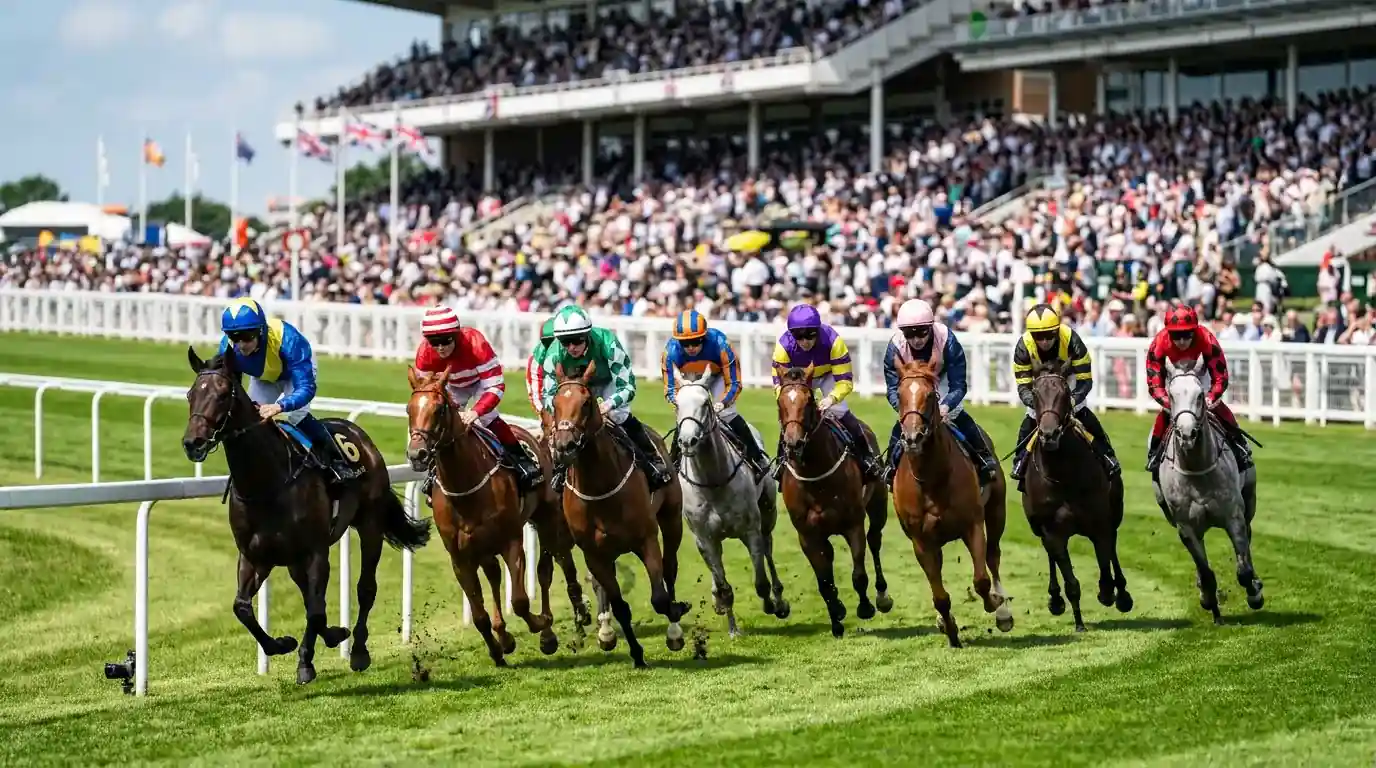
The headline difference is that flat races are decided by speed and positioning, not stamina and jumping. The field stays bunched, the margins between horses are smaller, the draw matters more, and the conditions of the day — going, pace, draw — can flip the result of a race that would otherwise be predictable. Flat punters need a different toolkit from jumps punters, and the punters who try to apply the same approach to both codes are usually losing money in one of them.
Structural Dynamics of the UK Flat Season
UK turf flat racing has a defined season, roughly late March to early November, anchored around the major fixtures: the Guineas at Newmarket in early May, the Derby at Epsom in early June, Royal Ascot in late June, the King George at Ascot in late July, and the British Champions Day at Ascot in mid-October. The Classic-trial circuit in March and April, the height of summer at the major festival meetings, and the autumn campaigns that close the season each have their own form profiles.
Inside that structure, the all-weather code runs essentially year-round, with major fixtures concentrated in winter and early spring when turf racing is sparse. All-weather provides the form bridge between turf seasons, lets summer turf horses keep racing through cold months, and supports a year-round handicap programme that wouldn’t fit on turf alone. UK racing as a whole stages more than ten thousand races across three hundred and sixty-two days, and the all-weather contribution to that volume is enormous.
For punters, the season structure has implications. Early-season turf form is often unreliable because horses are returning from layoffs and trainers are still finding their level. Mid-season form, roughly mid-May to late August, is the cleanest. Autumn form gets noisier as ground softens and three-year-olds start to peak. Knowing where in the season you are matters before you look at any individual race.
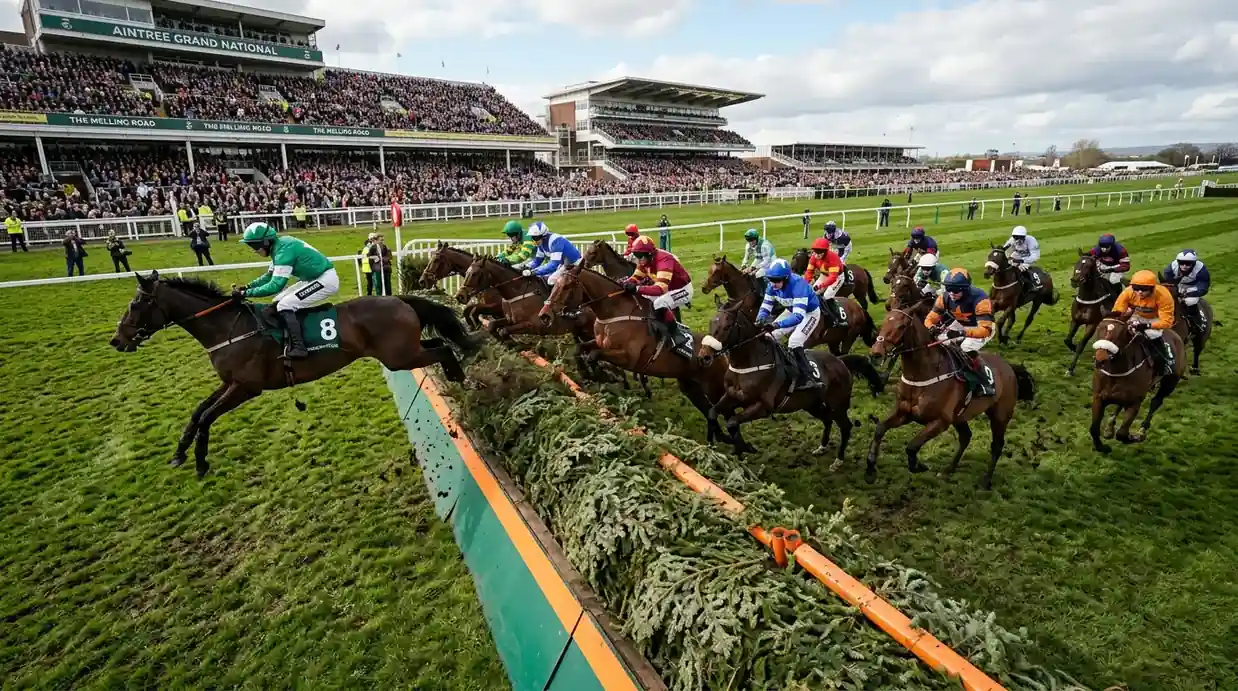
Strategic differences extend to National Hunt racing, which is the seasonal counterweight to flat — the jumping calendar peaks while the turf flat season is paused, and the two codes operate on largely separate forms of expertise.
Turf versus all-weather as betting environments
Turf and all-weather are both technically “flat racing”, but they reward different things and produce different kinds of form. Turf is variable: the going changes from week to week with the weather, the courses are wildly different in shape and character, and a horse that excels at Goodwood may be mediocre at Doncaster. All-weather is consistent: the surface is engineered to behave the same way regardless of weather, the courses are fewer and more uniform, and a horse with all-weather form usually replicates that form on similar surfaces.
That consistency makes all-weather form somewhat easier to handicap. The same horses appear repeatedly on the same surfaces under similar conditions, and ratings track real ability with less noise. The trade-off is that the same factors that simplify handicapping also compress prices — markets are tighter, value is harder to find, and the public has had years to figure out the patterns. Sharp punters who specialise in all-weather often do so by focusing on specific surfaces or specific running styles where they have a real informational edge.
Turf is the opposite. The noise is higher, but the noise creates opportunity. A horse coming off a poor run on heavy ground at Newmarket might transform on faster going at Goodwood. A draw that was lethal on Tuesday might be perfect on Saturday after rain. Turf punters who do the work of disentangling these variables tend to find more obvious overlays than their all-weather counterparts, even if their hit rate is lower because more things can go wrong.
For betting volume, turf is the larger market. The big summer festivals attract enormous turnover, with race-day liquidity that makes meaningful position sizes practical. All-weather midweek cards can be thin, particularly outside the headline fixtures, which limits how aggressively a serious punter can stake.
The flat-specific factors that move races
Three factors dominate flat-race outcomes more than they do jumps: the draw, the pace, and the ground. The draw determines starting position. The pace determines whether the race favours front-runners or hold-up horses. The ground determines which horses can show their form at all. Get those three right and you’ve handled most of what makes a flat race tick.
The draw matters most at courses with long straights, tight turns, or marked ground biases on one side of the track. Chester is famous for its short turning track that punishes high draws over almost any trip. Beverley’s five-furlong sprint course has a notable advantage to high draws on certain ground. Goodwood’s downhill bends benefit certain stalls over particular distances. The local knowledge here can take years to acquire. The shortcut is to consult course-specific draw statistics before betting at any unfamiliar venue.
Pace is more subtle. A race with multiple front-runners will go off fast, set up a strong finish, and reward hold-up horses with a turn of foot. A race with no obvious leader can stroll early, leaving the front-runner with an easy lead and a stamina-flavoured advantage. Reading the pace shape from the racecard before the race is one of the more valuable skills in flat punting — and one that very few casual punters bother to develop.
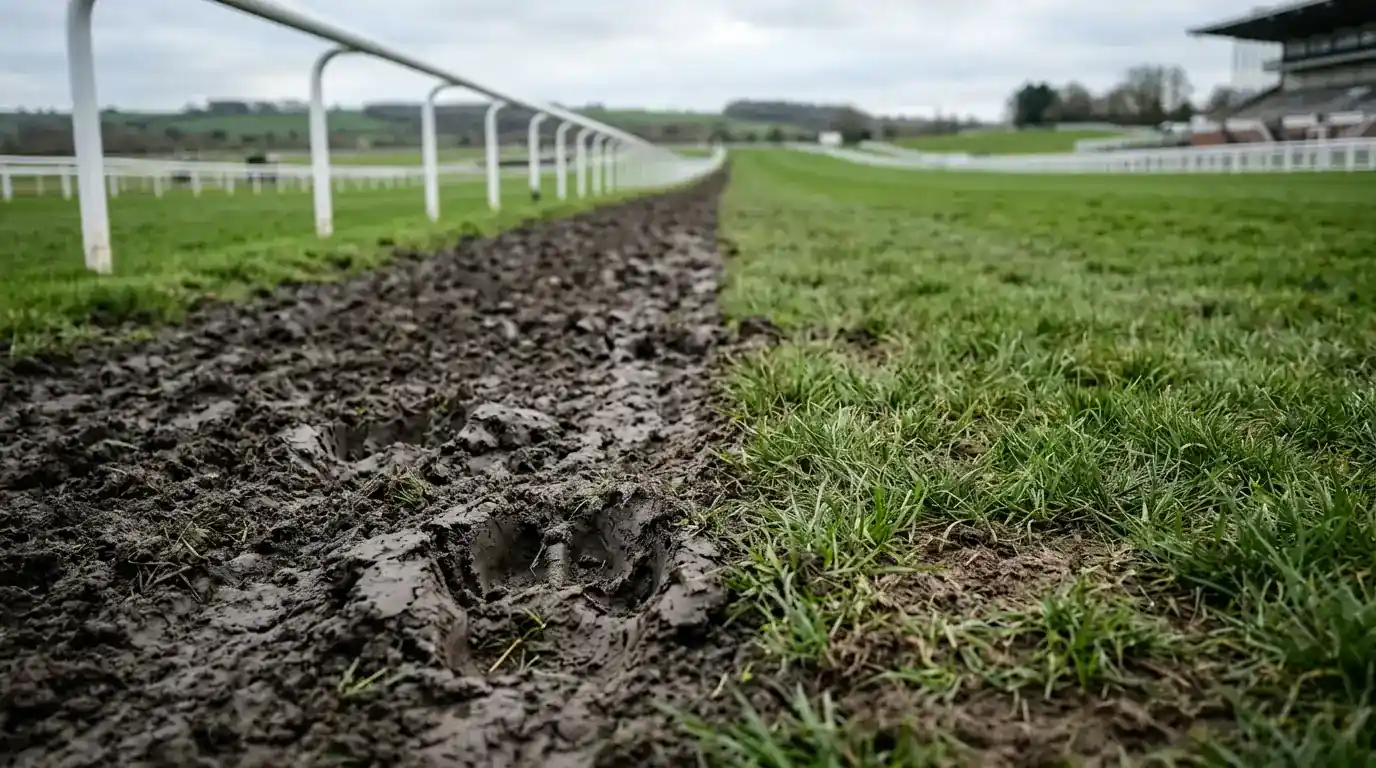
Ground in UK flat racing covers everything from firm (rare, particularly under modern watering regimes) to good-to-soft to soft to heavy. Each horse has preferred ground; some have wide tolerances, others are essentially specialists. A horse with three wins on good and four poor runs on soft is telling you something. Ignoring ground preferences is one of the cheapest ways to lose money in flat racing.
Royal Ascot and the Classics — the markets that distort
The major flat festivals — Royal Ascot, Glorious Goodwood, York’s Ebor meeting, and the Classics at Newmarket and Epsom — operate as separate markets from the regular fixture list. Liquidity spikes massively, the betting public’s attention is concentrated, and the form on display is the highest quality of the year. They are exhilarating to bet on and structurally different from everyday racing.
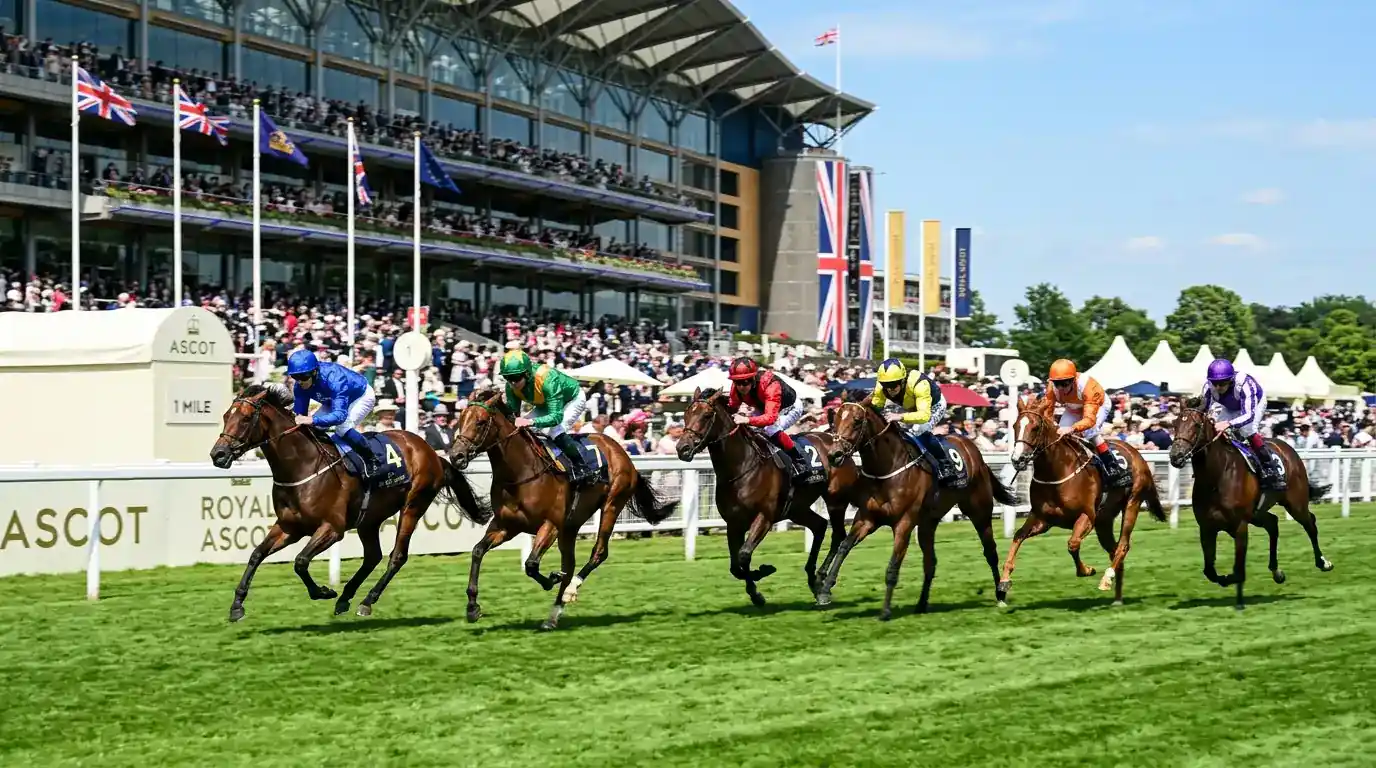
Royal Ascot in particular generates record prize money during its week — 2025 saw UK racing’s total prize fund reach a record £194.7 million across the year, with Ascot’s contribution disproportionately large — and the deep markets there can support sizeable stakes. The flip side is that prices on featured runners are scrutinised relentlessly, particularly favourites trained by the biggest yards, and finding meaningful overlays takes serious work. The week tends to reward punters who look beyond the obvious headline runners.
The Classics (the Guineas, Derby, Oaks, St Leger) carry their own peculiarities because they’re three-year-old races where the form is still developing. Horses are unraced or lightly raced; trials are imperfect guides; and the prices reflect a degree of speculation that doesn’t apply to the older-horse handicaps the same punters might back the rest of the year. Classics betting is its own discipline. Treating Classic markets like ordinary handicap markets is a recipe for being burnt by horses that simply haven’t shown enough yet for confident analysis.
What distinguishes the festival markets is the depth of professional engagement. Yards specifically aim horses at festival weeks. Trainers have prepared for months. Owners have invested heavily. The level of seriousness on the supply side raises the level of seriousness on the betting side. A punter who treats festival weeks as a holiday — backing horses on names rather than analysis — finds themselves outclassed quickly. A punter who applies more rigour, not less, can find festivals to be among the most rewarding weeks of the year.
Where the casual flat punter goes wrong
The most common mistake is treating turf flat racing as if it’s predictable. The mid-week midsummer card at Brighton or Lingfield is not a relaxed jaunt with obvious favourites — it’s a complex equation of draw, pace, going, and trainer form, and casual punters who back a single horse based on a vague sense that “it should win” are usually contributing to other people’s profits.
The second mistake is ignoring the going. A horse with strong form on good ground that lines up on soft is a meaningfully different proposition, and the market will often have shortened the price on the basis of recent form without adjusting for the surface. Going is one of the rare factors that the market consistently underprices, particularly outside the major meetings.
The third mistake is overrating recent form at the expense of seasonal form. A horse on a winning streak in early May might be a different animal in July when the ground has firmed up and the heat is up. Reading the seasonal pattern matters as much as reading the most recent race.
The fourth mistake — and the one that bleeds the most money over a season — is failing to specialise. Flat racing covers sprints to two-and-a-half miles, two-year-old maidens to Group 1s, turf to all-weather, six different course types across the UK. Trying to bet competently across all of it without specialising is impossible for most part-time punters. The successful flat punters I know all have a niche: one is a Newmarket sprints specialist, another only bets handicaps over a mile and a quarter, a third stays exclusively on the all-weather. The narrower the focus, the deeper the expertise can run.
Building a flat-racing approach that works
The architecture of a flat-racing approach starts with deciding which subset to follow. Pick a code (turf or all-weather), a class range (Class 2 to Class 4 handicaps is a good middle ground for value), and a small group of courses you’ll learn intimately. Build up trainer and jockey data on that subset. Watch every race in your niche, even when you’re not betting, until the patterns become second nature.
Then learn the structural factors that matter for your subset. Course-specific draw biases. Pace tendencies of the major yards. Going preferences of the horses that show up regularly. Trainer patterns around layoffs and target races. None of this is rocket science; all of it takes time. The investment compounds — three years into a specialised flat-racing focus, you’ll know things about your niche that the casual market simply doesn’t price.
Flat racing rewards specialists and punishes generalists. That’s the single most important thing to internalise. The punters who bet across the whole flat programme are systematically transferring money to the punters who don’t. The sport itself faces wider pressures — the BHA’s recent commentary that the horse population continues to decline and the betting environment remains challenging is sobering reading — but for the bettor focused on a specific niche, the volume of available racing remains more than enough to build a long-term edge.
Is all-weather flat racing easier to handicap than turf?
The form tends to be cleaner because the surface is consistent and the same horses race repeatedly under similar conditions, so ratings track real ability with less noise. The trade-off is that markets are tighter — the public has had years to figure out the obvious patterns, so finding meaningful overlays requires real specialisation. Turf is noisier but the noise creates opportunity for punters who do the work.
Which flat factors matter most in UK summer racing?
Draw, pace and ground dominate flat-race outcomes more than anything else. The draw matters most at courses with sharp turns or known biases, the pace determines whether front-runners or hold-up horses are favoured, and the ground determines which horses can show their form at all. Trainer form and jockey bookings matter too, but the three structural factors are where most of the predictive signal lives in summer turf racing.
How does the Royal Ascot week change betting markets?
Liquidity rises sharply, professional engagement intensifies, and the markets become much more efficient on the headline runners. Prices on heavily fancied horses from the biggest yards are tight, so meaningful overlays are usually found among horses that aren’t on the front pages. The festival also produces record total UK prize money across the year — 2025’s £194.7 million total reflects how much weight the major flat festivals carry.
Published by the Betting Strategy for Horse Racing team.