Pace Analysis: Predicting How a UK Race Will Be Run
 Available in US
The difference between a punter who reads pace and one who doesn’t is that the first one watches a race already knowing roughly what shape it’ll take, while the second one watches the same race trying to figure out what’s happening as it unfolds. The pace-reading punter has done the work before the gates open. They know which horses will lead, which will sit handily, which will be held up at the back, and how those positions will interact to produce a strong, even, or false pace. They’ve already worked out which finishing position each horse is likely to occupy at the home turn, before the race begins.
Pace analysis isn’t predicting which horse will win. It’s predicting the structure of the race — the pattern of positions, the speed at which the field will travel, and which kinds of horses will be advantaged by the way the race unfolds. Once that structure is mapped, the question of which specific horse will win becomes much narrower. You’re no longer evaluating eight or twelve runners on equal footing. You’re evaluating the three or four runners whose racing style and conditions actually fit the pace shape that will emerge.
Running styles and what they mean
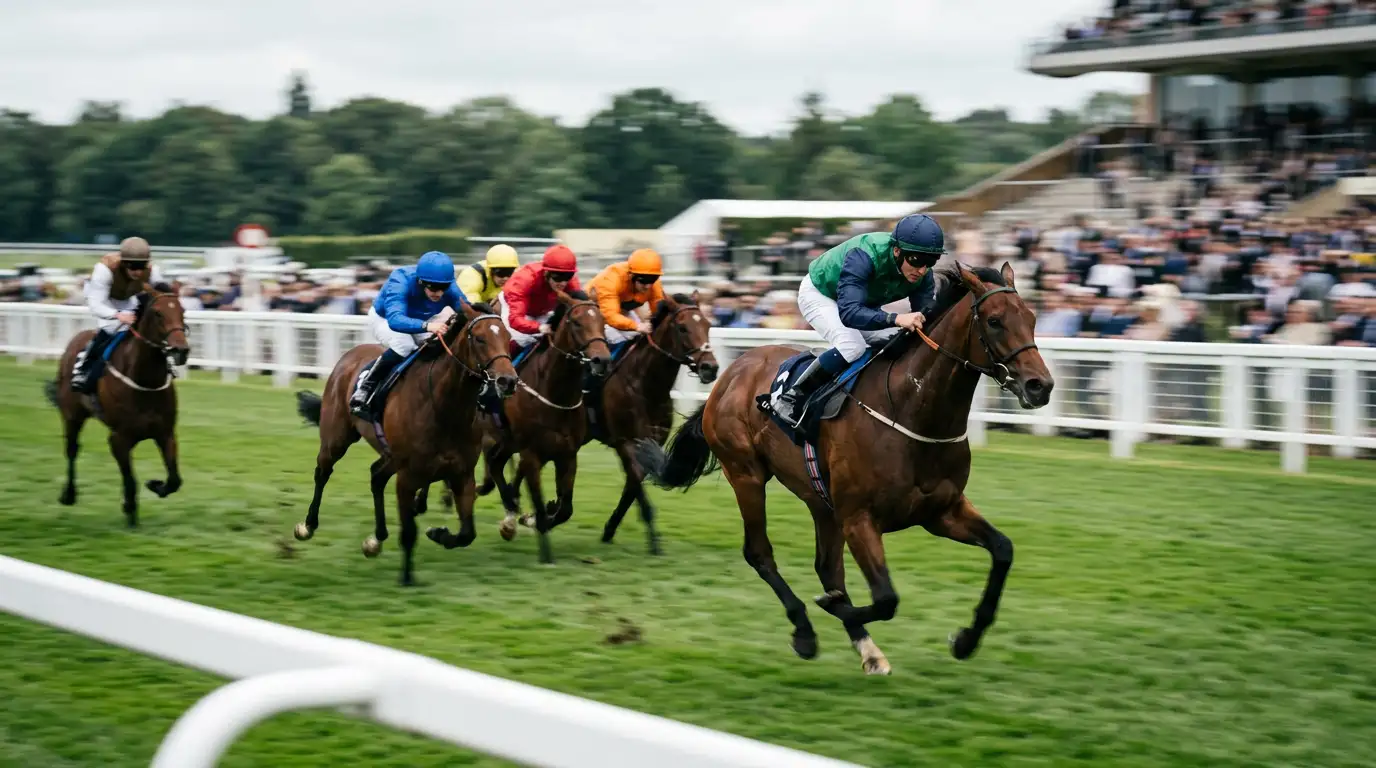
Horses race in characteristic styles that tend to be stable across their careers. The standard taxonomy uses four categories. Front-runners (sometimes called “pacesetters”) want to lead from the gate and dictate the pace; if they can’t lead, they often run below their best. Stalkers race in the front group, just behind the leader, ready to challenge. Pressers race in midfield, comfortable handling whatever pace develops. Hold-up horses (sometimes called “closers”) settle at the back, conserving energy, and produce their effort late.
Each style has its natural conditions. Front-runners do best in races where the early pace is moderate enough that they can lead without burning too much energy. Stalkers thrive in races where the early pace is strong enough to soften the leaders but not so strong that the entire field tires. Pressers handle most conditions reasonably but rarely produce dramatic results. Hold-up horses need a strong early pace that produces tired leaders by the home straight, leaving the front of the race vulnerable to a late surge.
The pattern is that no running style is universally better. Front-runners win at certain pace shapes; hold-up horses win at others. The skill isn’t preferring one style over another — it’s matching the style to the pace shape that will emerge in the specific race you’re betting on. A horse with a front-running style entered in a race with two other front-runners is probably in trouble; the same horse entered in a race where it’s the only natural leader has a meaningful advantage.
Reading a horse’s running style requires watching previous races, not just reading form figures. A horse that finished third “having raced prominently” was a stalker; a horse that finished third “with a strong late run” was a closer. The form figures are identical but the underlying styles are different, and the conditions that would suit each horse next time are different too. Race replays — even brief views of the closing stages — produce information that the bare form figures don’t capture.
Building a pace map for a race
The practical exercise is to map the field by running style before the race. Look at each runner in turn, identify their typical style, and place them on a notional diagram from front-runners at the lead to closers at the back. The map shows you immediately how the early stages of the race are likely to develop and which horses will be in which positions when the field passes the halfway point.
The simplest test is counting the front-runners. A race with one obvious front-runner is structurally different from a race with three. The single front-runner can lead easily, set a moderate pace, and conserve energy for the finish — they’ll often produce a strong race. Three front-runners cut each other up, set an unnecessarily strong early pace, and tire each other out — creating ideal conditions for closers behind them. The same eight horses in two different races, with different pace allocations, produce different likely winners.
The next layer is the position of the natural class horses. A horse with the highest official rating in the field, racing as a hold-up runner in a race with no obvious front-runner, is in trouble — the pace will be too slow, the leaders will steal the race from the front, and the closer’s preferred conditions won’t develop. The same horse in a race with multiple front-runners is set up for a winning performance.
For deeper context on how the underlying pace produces measurable speed figures and how those figures combine with pace analysis, see my piece on speed figures. Speed figures describe how fast a horse ran; pace analysis predicts the conditions under which that speed will be tested. The two work together.
One mistake to avoid is overconfidence in pace mapping. Trainers sometimes change a horse’s tactics race-by-race, and a horse that was a hold-up runner last time can be sent forward this time without warning. Jockey instructions don’t always follow the horse’s historical style. The map is a probabilistic prediction, not a certainty, and the reality of the race can deviate. Pace analysis works best when treated as a guide to likely outcomes rather than as a definitive forecast.
The lone front-runner edge
The most consistently profitable pace pattern in UK racing is the lone front-runner — a horse with confirmed front-running style entered in a race with no other natural leader. The race essentially gifts the front-runner the lead, allows them to set a pace that suits them, and creates an enormous tactical advantage. Lone front-runners win at substantially higher rates than their general form would predict, and the market often doesn’t fully price this advantage.
The pattern works because front-runners that lead in their preferred conditions race within themselves, conserving energy for the closing stages. Without challenge to their lead in the early stages, they can dictate a moderate pace that doesn’t burn them out, then accelerate at the right moment when the chasers begin their effort. The race effectively becomes a procession from the front, and unless the front-runner has been substantially overrated relative to the field, they’re hard to peg back.
Identifying lone front-runners requires reading the entire field. A horse that looks like a front-runner might face a previously-unseen front-running style from a debutant or returnee, eliminating the lone-leader advantage. The pace map needs to consider not just the horses who’ve previously raced as front-runners but also the runners whose breeding or trainer’s typical style suggests they might want the lead. Errors in this assessment are common but limited — most fields are clear in their pace allocation, and the lone-front-runner pattern is identifiable in races where it occurs.
The variance is real. A confidently identified lone front-runner can still lose if a hold-up horse runs a career-best closing sectional, or if the front-runner pulls too hard early and exhausts themselves. The pattern produces edges in expected value, not certainty. But the edges are consistent enough across many races that the pattern is worth specific attention in any pace-analytical approach.
UK racing’s structure — over ten thousand races a year across the calendar — produces hundreds of lone-front-runner setups annually. Identifying them systematically, even at modest stake sizes, generates a useful stream of advantageous bets across the season. The pattern is one of the more durable specific edges in racing, partly because the broader market is consistently slow to integrate pace structure into its pricing.
How pace interacts with going and draw
Pace doesn’t operate in isolation. It interacts with the going on the day and with the draw allocations, and reading all three together produces a substantially clearer picture than any one factor alone.
Soft going amplifies pace effects. A race that would be moderately paced on good ground often runs much slower on soft, because the surface tires the horses more quickly. Front-runners who’d thrive on good ground struggle when the going slows them down too much; closers who’d be hampered on good ground often find soft conditions suit them better.
Draw shapes who can actually adopt their preferred running style. A horse with strong front-running form drawn in the widest stall at a course with a sharp first bend may simply not be able to lead — they’re trapped wide and end up racing further back than they’d like. Pace mapping needs to account for which horses are actually in a position to adopt their preferred style given the draw allocation.
The triangulation of pace, going, and draw is where serious analytical work pays off. A race where the lone front-runner is drawn wide, on softer ground than they prefer, in a field with multiple closers ready to pounce, is a very different proposition from the same race with the front-runner drawn inside, on good ground, with limited closing competition.
What casual punters miss most often
The most common pace mistake is ignoring the structure of the race entirely. Casual punters look at form figures, official ratings, and recent trainer form, then back the highest-rated runner without considering whether the pace shape will let that runner produce its best. The same horse, in two different races on the same day, can be a strong selection in one and a weak selection in the other purely because of the pace dynamic.
The second mistake is over-relying on the favourite. UK handicap favourites win only around 25.7% of the time — meaning roughly three-quarters of handicaps are won by non-favourites — and a substantial portion of those non-favourite wins come from pace patterns the market hasn’t priced. The favourite might be the best horse in the race on form, but if the pace shape works against them, the best horse loses.
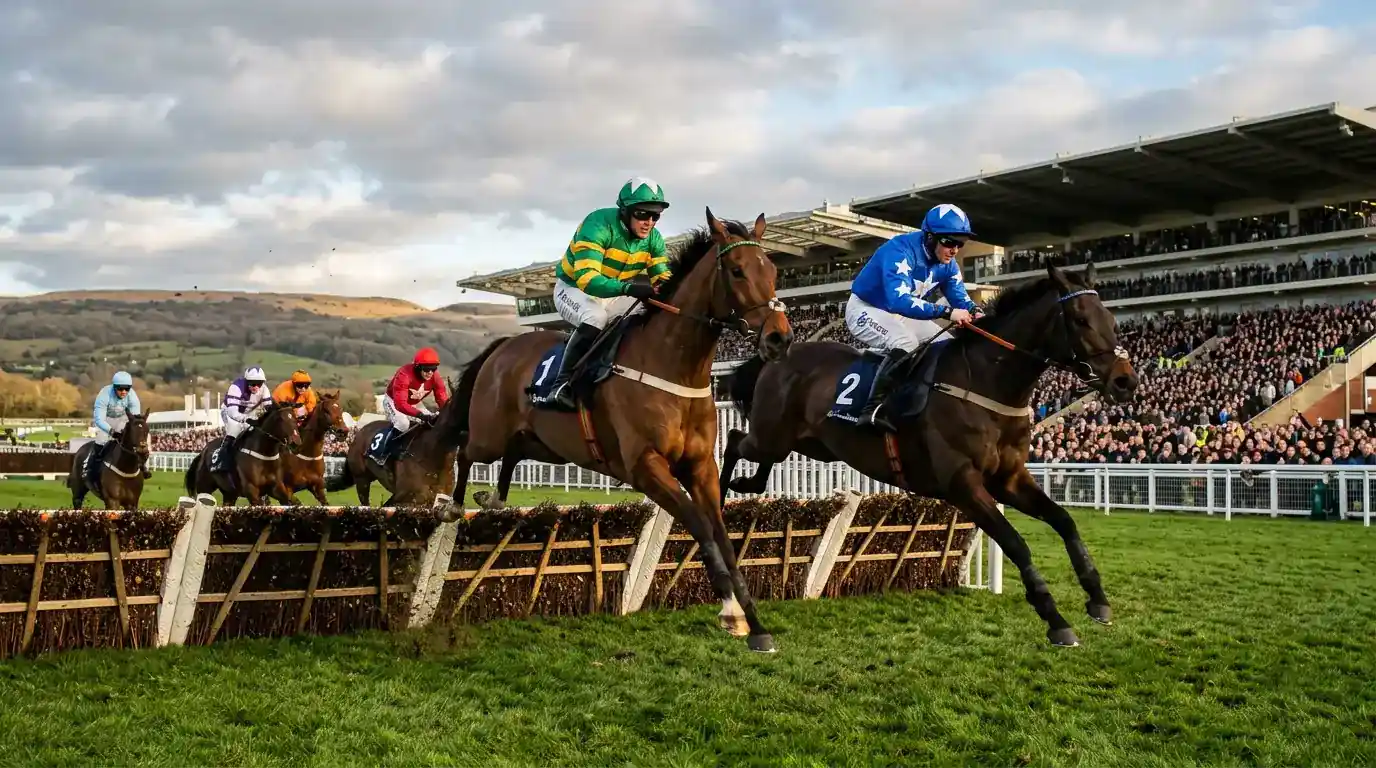
The third mistake is assuming pace doesn’t matter in jumps racing. National Hunt pace is less about precise positioning and more about whether the leaders can sustain the pace they set, particularly over staying distances. A horse leading at the second-last fence in a three-mile chase might still get caught if the early pace was too strong.
The discipline of consistent pace mapping
Pace mapping rewards consistency over insight. Mapping every race you bet on, even briefly, builds the habit and reveals patterns over time that occasional analysis can’t show. Lone front-runners that you didn’t initially identify often become obvious in retrospect; closer-friendly pace shapes that you noticed in time prevented losing bets on horses whose conditions weren’t right.
The maps don’t need to be elaborate. A few seconds spent identifying each horse’s running style, counting the natural front-runners, and asking what pace shape will probably develop is enough to produce useful signal. Pace analysis is one of the few areas where the entry barrier is low and the rewards are durable — small daily investment, compounding informational advantage, and consistent application across virtually every race the UK calendar produces.
What is a lone front runner and why does it matter?
A lone front-runner is a horse with confirmed front-running style entered in a race with no other natural leader. The race effectively gifts them the lead, allows them to set a pace that suits them, and creates a substantial tactical advantage. Lone front-runners win at substantially higher rates than their general form would predict, and the market often doesn’t fully price this advantage. Identifying them systematically across the calendar generates a useful stream of advantageous bets.
How do I find data on running styles for UK horses?
Race replays are the most reliable source — watching how a horse is ridden in its previous outings tells you immediately which style it adopts. Several racing data services publish running-style categorisations based on past performances, and these categorisations are usually accurate enough for routine pace mapping. The work of building a feel for running styles develops over months of watching, and the resulting intuition outperforms any single data source for races involving familiar horses.
Does pace matter more on flat or jumps racing?
It matters in both codes but in different ways. Flat pace analysis focuses on precise positioning, draw interaction, and the tactical advantage of the lead — particularly relevant on quirky courses or in sprint races. Jumps pace is less about precise positioning and more about whether the leaders can sustain the pace they set over the full trip, particularly over staying distances. Both codes reward pace analysis, but the specific patterns to watch for differ between flat handicaps and chase races.
Prepared by the Betting Strategy for Horse Racing editorial staff.